A Weekly Template
In the last post, I talked about “rolling food prep” as a strategy for pacing: preparing extras of one or two ingredients each time you cook for use in future meals. The aim is to prepare about half of each meal fresh, and to assemble the rest from previously prepared ingredients.
Keeping track of what needs prepared and what’s already done can be tricky, though. To help with that, I follow a weekly plan or template and focus on preparing one nutritional category a day (e.g., protein, grains, vegetables). While I certainly make other things most days as well, this category is the one I make extra of.
The plan isn’t rigid. I vary it based on energy and what I already have on hand. Having a framework, though, helps keep meal planning relatively simple while making sure all my groceries get used before they spoil.
Here’s my typical template. (My menu planning week starts on Thursdays, since the trash goes out on Wednesday, and I have a cleaned-out refrigerator to fill.)
- Thursday (Grocery Shopping Day): Beans I generally cook dry legumes from scratch. Shopping days turn into weary days, so first thing in the morning, 2-3 cups of soaked beans go in the slow cooker. At dinner time if all else fails I can just dress them simply with salt and a flavored oil and serve them with vegetables prepped earlier in the week. The remaining beans are frozen on a cookie sheet and then go into a resealable bag, where I can draw out handfuls as needed to round out a meal. I may reserve the broth for soups.
- Friday: Perishable Produce I wash greens and chop or slice things that will only keep a few days. I probably won’t get to everything on Friday, but the produce is more likely to be used before it spoils if it is ready to go.
- Saturday: Meat (or more produce, or condiments) When I buy meat (I don’t always) I’ll cook two or three pounds at once. Leftovers are divided into individual or double portions to freeze.
- Sunday: Day of rest Leftovers.
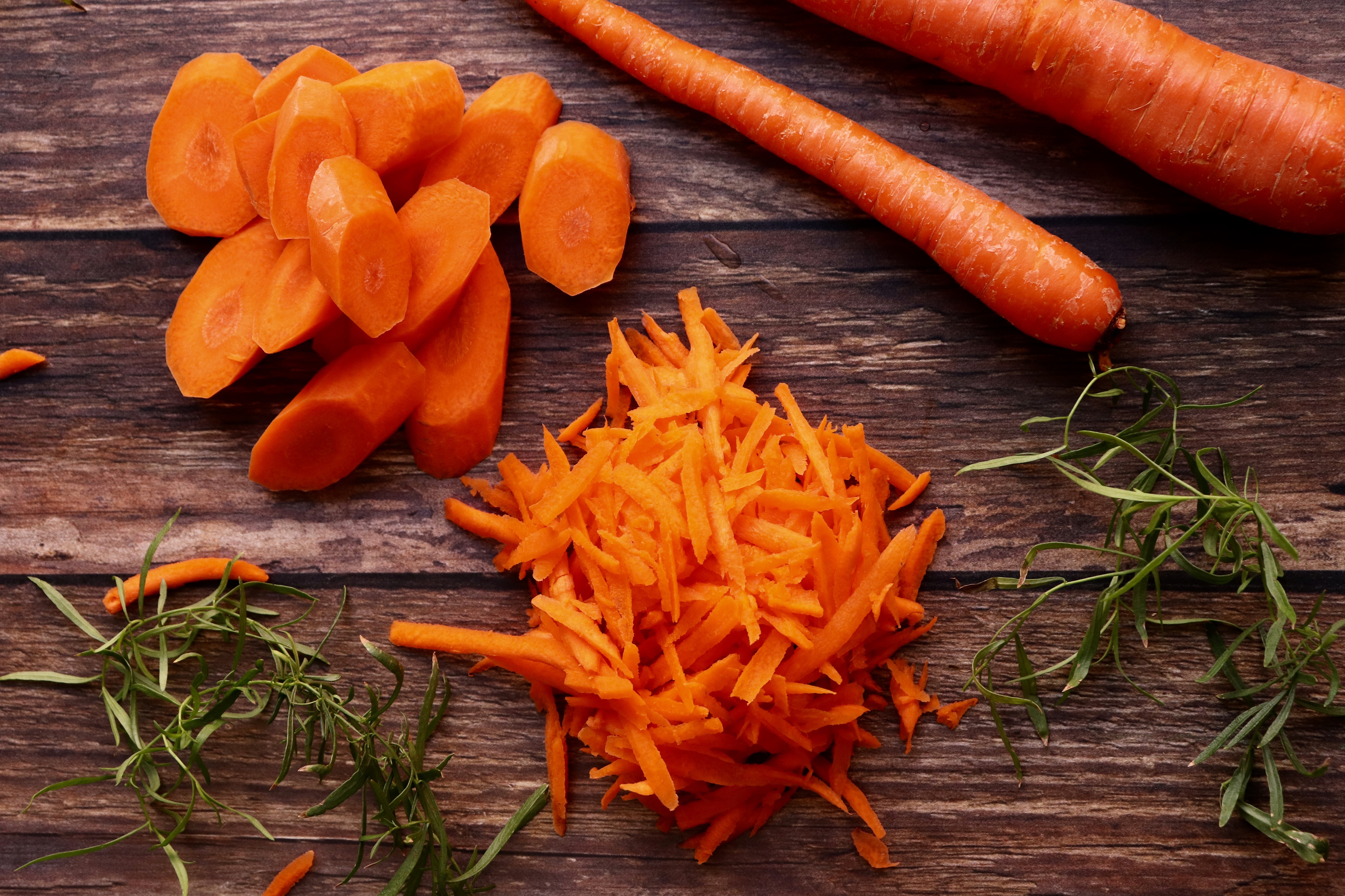
- Monday: Sturdy Produce E.g., chopped cabbage, roasted beets, shredded carrots—again, I probably won’t get to everything on the same day. Because I’m less worried about these foods spoiling, the next three days get re-ordered a lot.
- Tuesday: Grains Rice, barley, polenta, quick-breads, and their ilk. I usually freeze rice like I do the beans, but other whole grains go in the freezer in small containers.
- Wednesday: Condiments, sauces, etc. E.g., tomato sauce, pickled onions, a basic vinaigrette, or a ginger-scallion sauce—things that keep well or can be frozen. On Wednesday nights I soak beans for Thursday.
Despite the best-laid plans, I usually end up skipping at least one day due to illness. But almost always, the refrigerator and freezer have enough things pre-prepared to make an easy, balanced meal, even on days when I can’t cook anything new.
Of course, this is just one way to pace food prep throughout the week, and it may not suit your tastes and nutritional needs. The template is easily adapted, though. I do find that sticking to a framework of some sort keeps the fridge and freezer well-stocked with ready-to-go ingredients with minimal mental effort.
In the next post I’ll show how this template turns into actual menus for a week.
 One Spoon Cooking