
My One Spoon Cooking buddy, Michele, asked for suggestions on low-spoon yet festive ways to feed visiting family in the stretch between Christmas and New Year’s. Here are a few, in no particular order:
Think laterally. Rather than making a meal festive by doing more than you normally would, do something different. Holidays are “set apart” from ordinary days—they can feel special and memorable if you do something surprising, with an intentional break from routine. The difference doesn’t have to be jarring—a different roast of coffee could do the trick. It only needs to be enough to waken people to the present moment.
When it comes to leftovers, avoid even thinking the word “just,” as in, “We’re just having…” “Just” instantly takes the sparkle out of food. Leftovers are low-spoon mini-feasts. Mix and match them so the meals aren’t entirely predictable, and so they feel like you have given them fresh, loving attention.
Plan some participatory meals: build-your-own tacos, sandwiches, mini-pizzas (pizza IS a party, amiright??), or sundaes. Provide an unusual (store bought) sauce, spread, or topping amid the old stand-bys: roasted red pepper spread, black olive tapenade, chutney, chipotle mayonnaise, etc.
At least in theory, the point of holiday gatherings is to connect with people you love—to make people feel special and cared for. You can do that in a lot of ways that don’t involve extra cooking. Never underestimate the power of a pretty tablecloth, e.g., to say, “This gathering of people matters.”
An odd but true fact: Velvety, puréed soups are more luxurious and festive than chunky ones. Most vegetable or bean soups will work—you don’t need a special recipe—as long as the blended colors are somewhat appealing. Immersion blenders are great for this.
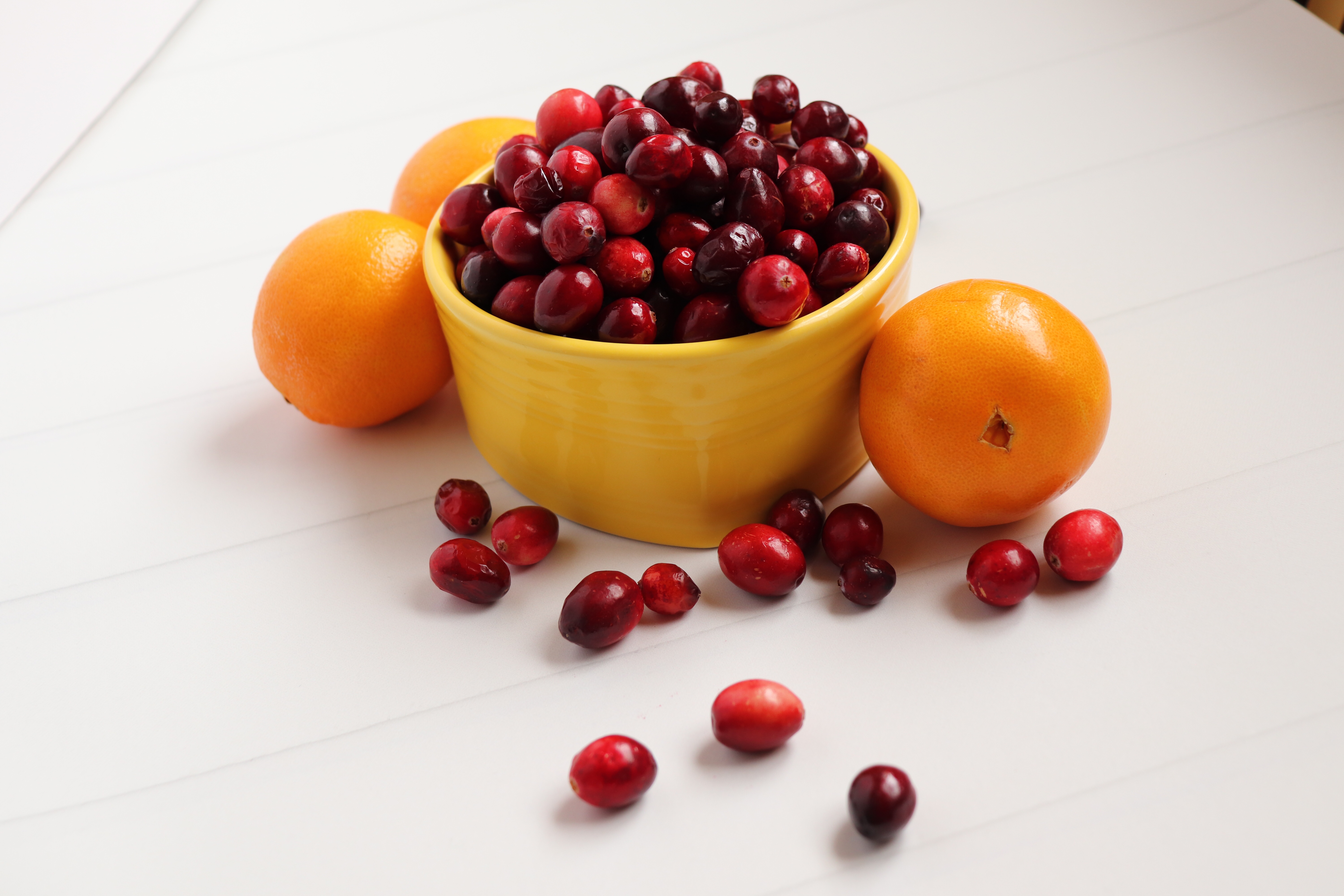
Sprinkle colorful and/or flavorful doodads over simple dishes: dried cranberries, orange zest, pomegranate seeds, toasted or sugared nuts, croutons. Doodads should not be underestimated any more than tablecloths.
Flavored, roasted nuts are good to set out between meals. My favorite to make: Toast pecan halves for 10-12 minutes at 350F (or in a moderate oven), giving them a good shake halfway through. Toss them immediately with olive oil, minced fresh rosemary, and salt. (They should sizzle when the oil hits them.) Spread them out to cool.
Another strange but true fact: you can make a meal feel like a party simply by serving dip in small bowls scattered hither and yon. The dip can be savory, for veggies and tortilla chips, or sweet for fruit. Jazz up a simple sweet dip (e.g., Greek yogurt or cashew cream and your sweetener of choice) with herbal teas*: open the sachet of tea, and mix the dry contents to taste with the yogurt. Two of my favorites for this are Celestial Seasonings’ Bengal Spice (for those outside the US, chai spices minus the black tea) and Jammin’ Lemon Ginger (lemon and erm, ginger, among other things). Good with apple slices.
A permission slip if needed: If your people expect you to provide the hoopla of a “traditional” experience because they value certain foods or activities more than they do your health and well-being, then you are officially excused from feeling festive. Take care of yourself.
And don’t forget that this isn’t a performance. It’s a gathering of humans you love. You will all remember the gathering’s flavors of love, whether given or withheld, more than you will the food.
______________
* By herbal tea, I mean “tea” with no actual tea leaves—just dried herbs and spices.
 One Spoon Cooking